Loading... Please wait...

Binaural Beats

January 7th, 2012

Binaural BeatsBinaural beats, often referred to as binaural tones, were discovered in 1839 by Heinrich Wilhelm Dove. However, they weren’t the subject of extensive research until Gerald Oster published new laboratory findings in 1973.

Among other things, Oster used the beats as a diagnostic tool to assess basic neurological conditions and auditory impairments. He discovered that most women perceived them differently than men, especially during the onset of menstruation. This fact led Oster to believe that binaural beats were a somewhat effective means of measuring estrogen levels.

Binaural beats are two tones of somewhat different frequencies. When played, one tone is heard in the left ear and the other in heard in the right ear. However, the listener hears only a single tone. The frequency of this tone varies to equal the difference between the two original tones.

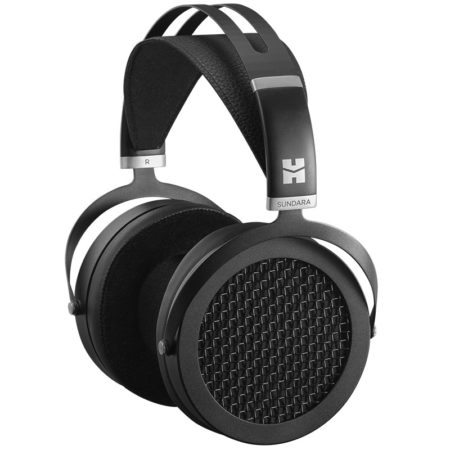
It is possible to hear the beats with or without the aid of headphones. This occurs when two tones are heard by way of loudspeakers. It should be noted that using headphones is the most effective method.

Hemispheric Synchronization hemi-sync is a process involving binaural beats, created by Robert Monroe, which synchronizes two of the brain’s hemispheres in order to induce certain responses.

This process of using sound waves that fall into place with brain waves is used to facilitate many things including relaxation, memory improvement, creativity, heightened energy and a restful night’s sleep. Double-blind studies also indicate that during surgery hemi-sync is sometimes an effective partial replacement for drugs such as Fentanyl.

There are several ways to reap the benefits of binaural beats. Purchasing CD’s or MP3′s is probably the easiest and most affordable way to do so. Listen to them almost anywhere, at home, at work, in the car (not while driving) – the possibilities virtually endless.

These products embed brainwave technology underneath soothing sounds like ocean waves, rain, whale songs and other sounds of nature, just to name a few.

iPhone and iPad users can experiment with this technology by downloading a binaural beat app that will then be available at the touch of a button. As of this writing, there are both free and low costs apps to choose from.

Many individuals who utilize binaural beats to help them improve on one area of their life are pleased to discover that the method actually improves multiple issues. For example, someone interested in eliminating insomnia might notice a more restful night’s sleep AND the ability to remember events with added clarity.

Playing Music for Visualization

Studies Show Music Supports Visualization

Using music for healing a behavioral condition, mental stress, or a physical issue is not a new practice. Music dating back to its beginnings as an expressive medium has always found an audience that is uplifted in its presence, even for those who are not afflicted with any condition.

Today’s busy world may actually be the reason why so many people have few spare moments to themselves. Yet when one travels across the urban and suburban landscapes there will always be someone, young and old alike, wearing headphones or ear buds attached to a portable music player, perhaps spotted at a bus stop or a cafe.

What is observed is a brave new habit of stealing moments of attention away from their surroundings and getting a musical moment of rhythm, solitude, mental calm, or something else. Something that their immediate surroundings are not providing. Something that their ancestors would not normally do, do to lack of technology of a different time.

It could also be a little disturbing to see so many people wearing headphones “tuning out” their surroundings. As we look at them further, it may be that they’re tuning in, instead.

Music for Meditation

While meditation music is growing in popularity, a concurrent trend in personal music listening in a digital format is meeting a new type of demand.  A listener is now after personal goals that draw inspiration from the various genres of music. This would explain why music collections and play lists are so diverse. Also, the music listener is increasingly connecting to the abstraction of music from a personal experience rather than in a group.

In this way, portable music gives the listener more freedom to interpret what they’re listening to while on the go. Portable music players also offer options in how the listener can organize the music they use to improve their day, stay upbeat and overcome perceived obstacles.

Since iTunes and other music portals are now enabling anyone to have reproduced/ recorded music be so central to their lives, listeners can now use this music not only for immersion, escape and solitude, but as a tool for insight and greater concentration. Just look at some of these music statistics.

Alongside their favorites tunes, what if the portable mp3 player-owner reserves some space for meditation frequencies to elevate more synchronized brain wave activity? Would that be acceptable for any daily activity?

Absolutely.

After sharing those observations, here is an artist we wish to highlight. A musician who has composed a number of Metamusic (Hemi-Sync with relaxing music) titles, J.S. Epperson, has titles that can compliment one’s varied playlist “identity” quite nicely.

It is important to note that in these masterful compositions, Hemi-Sync is the clinically developed audio process that helps to facilitate a coherent brainwave signature for the listener, while the music part is more audible and skillfully progresses musical forms for the listener into long lasting and soothing mental visualizations. These are the building blocks of healing music and peak performance music.

Sample some of the most popular Metamusic titles here.

Here are some of Mr. Epperson’s titles he has composed with blended Hemi-Sync (each link takes you to a product description and mp3 sample):

Ascension

The Golden Mind

The Lotus Mind

Indigo for Quantum Focus

Illumination for Peak Performance

Visit J.S. Epperson’s Music Website: Higher-Music.com

Read more abut meditation music.


Dreaming Eases Painful MemoriesRecently at the University of California, Berkeley volunteers were shown images that triggered emotions, then were presented with them several hours later.

Those volunteers who were allowed to sleep in between the showings had less activity in the areas of the brain linked to emotion.

From the test it was discovered that the part of the brain linked to rational thought was more active for those who were allowed to sleep.

Published in the journal Current Biology, the study shows a beneficial relationship between dreams and memory.

What are the applications of a good sleep with a dream? Most people have to deal with traumatic events at some point in their lives, and, for some, these can produce post-traumatic stress disorder (PTSD), leaving them emotionally disturbed long after the event itself.

For those who take UC Berkley findings and apply the sleep process as a way to heal the mind form painful memories, this is a step forward.

Mapping blood flow

From the report in the BBC News article:
There is significant evidence that the 20% of sleep in which we dream, also called REM sleep, plays a role in the processing of recent memories, and researchers believe that better understanding of this could eventually help PTSD patients.

Read more from the original BBC article here.

Gabby Giffords Gets Help From Music Therapy10 months ago a bullet penetrated Congresswoman Gabby Giffords’ brain and left her in critical condition. The injury forced the medical teams in charge of her recovery to use a lessor known method for growing neurological pathways: music therapy.

The injury Giffords sustained resulted in aphasia – the inability to speak because of damage to the language pathways in her brain’s left hemisphere. By over laying words on top of  rhythm and melody Giffords trained her brain to use a newer pathway to the same destination.

Dr. Nancy Helm Estabrooks,  a  speech pathologist at West Carolina University – and other experts, go on to describe the rehabilitation process in this ABC News interview.

Why an Eyemask for Sleep?

November 5th, 2011

Wearing an Eyemask at BedtimeNot many of us consider the small external issues surrounding the bedroom before getting a good night’s sleep.  We do have a favorite pillow, a preference in bed mattresses, and perhaps a mild habit like listening to music or reading  a chapter of a good crime novel before going to bed.

Some of us have bed partners who go to bed at a different time then we do.

But many of us rarely consider artificial light, even in small amounts.

In January of this year, a study reported in an article on WebMD.com, linked the effect artificial light has on melatonin production. Melatonin is a natural chemical triggered by the pineal gland in the human brain that induces sleep at night time.

The study, citing findings by researcher Joshua Gooley, PhD, of Brigham and Women’s Hospital and Harvard Medical School, first stated that artificial light after dusk and before bedtime may reduce sleep quality:

“On a daily basis, millions of people choose to keep lights on prior to bedtime and during the usual hours of sleep,” Gooley says in a news release. “Our study shows that this exposure to indoor light has a strong suppressive effect on the hormone melatonin. This could, in turn, have effects on sleep quality and the body’s ability to regulate body temperature, blood pressure and glucose levels.” – Read the full article at WebMD.com

Eyemasks – Seeing the Trend Before it Became Popular

Hemi-Sync Eyemask Sleep Kit
Since 2001, Hemisyncforyou.com founders have been actively using and promoting the beneficial Hemi-Sync audio process along with eyemasks as a natural enhancement to overcoming sleep issues.

While conducting our own anecdotal research on eye masks in house gave us some insight into the factors related to poor sleep, we started to find simple ways to optimize the Hemi-Sync listening experience.

Over the period of 10 years using eye masks we realized how effective they were for heightening the listening of audio programs. Also we noticed how the Hemi-Sync® sound process was more effective for listeners with sleep issues (and other applications) when light is blocked from the face and more importantly, the eyes.

This early drive led us to the Sleepsonic brand  Eyemask as a perfect companion to an audio technology like Hemi-Sync, along with the Sleepsonic Pillow.

We know Hemi-Sync helps to trigger balanced brainwave activity effectively occurring within the listener’s reticular formation. The listener may or may not become aware of when the process starts to work, but since the listener is more susceptible to the sound process when in a focused state, the eyemask first seemed like just a supportive accessory to getting focused.

But as a sleep aid, as we have just learned from WebMD, with external light being  a factor on the chemical processes behind sleep, so too can a  brain’s firing pattern for sleep be enhanced when external light is effectively blocked and melatonin production is increased.

If a user can become more susceptible to a beneficial coherence of brainwave activity while induced by Hemi-Sync signals, than the elevated melatonin levels supported by a dark environment without disturbances of artificial light make an eyemask or “sleep mask” a more vital accessory in the brain entrainment process.

**************************************************

Please note: Unlike other sleep devices in the marketplace for assisting in sleep,  the Eyemasks offered by Hemisyncforyou.com are not made of plastic, but made of fine fabrics and are made in USA .

Learn more about Sleepsonic Eyemasks Here.

Introducing HealMyPTSD.com

November 1st, 2011
PTSD brain courtesy of NeuroAnthropology

PTSD brain courtesy of NeuroAnthropology

Michele Rosenthal was only 13 years old when she developed Toxic Epidermal Necrolysis Syndrome, a strange allergic reaction to a medication that put her in critical condition overnight.

In her own testimony,  Michele makes it clear in her descriptive About page on her website that a turn for the worse occured. She goes on to state:

” It didn’t take long for insomnia, intrusive thoughts, nightmares and flashbacks to set in. I didn’t tell anyone. I was determined to go back to who I’d been before my illness, so I avoided all mention of my trauma, pretended the past was behind me and ran as fast as I could into the future.

Within 5 years I was a complete and total insomniac, anorexic, melt down mess. Over the years everyone thought I was a difficult teenager, and then a temperamental artist, and then just a really moody woman. The therapists my parents forced me to see didn’t recognize my classic symptoms of PTSD.”


Visit Heal My PTSD Today and give Michele our highest regards!  :)

Traumatic Brain Injury, also known as “TBI” is not as rare as one would think.

Take for instance this staggering statistic: A total of 41,059 people lost their lives in motor vehicle crashes in 2007. Another 2.5 million people were injured (NHTSA.com).

In another statistic, The Center for Disease Control reports that about 1.7 million traumatic brain injuries occur each year, and of that number, about 17 percent were caused by motor vehicle accidents.

In support of raising public awareness to TBI, Hemisyncforyou.com stumbled across an assisted care community in nearby Tacoma, Washington, Cascade Park Communities. The community’s focus on memory care, assisted living, and adult day health has helped numerous families of the Puget Sound area.

In their blog article, Hope is the Best Remedy for Brain Injury, Cascade Park Communities highlights the heroic  struggles endured by victims of this condition.

Read the blog article here: http://www.cascadecares.com/index.php/AboutUs/Blog/Entry/hope-is-best-remedy-brain-injury

Creatively depicted in the blockbuster movie, Inception, lucid dreaming is the ability to become consciously aware inside the dream world and control its events. Though scientifically proven and theoretically accessible to anyone, lucidity is an elusive concept for many people simply because they’re not trained to recognize when they’re dreaming. However, you can always learn…

What is Lucid Dreaming?

A lucid dream literally means clear dreaming. It occurs when you realize you are asleep and your mind is taking part in an internal fantasy world. In normal dreams there is no such recognition; they are guided by the subconscious mind – and that’s why they make little sense and are often vague and fuzzy. The characters, themes and plots of our dreams are written in the mysterious conceptual language of the subconscious, while the logical conscious mind is shut down. But in a lucid dream, all that changes.

When you “wake up” inside a dream, the conscious brain bursts into life. The dreamscape becomes enriched with all the texture, color and depth of reality. Your five senses become alive and the dream world feels real. You have the ability to control your awareness in the dream and even control the dream with sheer willpower. Experienced lucid dreamers can warp space-time like Neo in The Matrix, fly through space like Superman, and become the architect of great cities like Dom Cobb in Inception.

So, how do you do it?


How to Have Lucid Dreams

The first step to becoming a lucid dreamer is to improve your dream recall. This will help you to become more self-aware while dreaming, and to remember your lucid dreams when they do actually happen. The best way to boost your dream recall is to write down your dreams every morning when you wake up. There are also dream supplements and herbs (such as Galantamine, Choline or Calea Z) which alter your brain chemistry and improve your dream intensity, as well as your night-time memory. However don’t rely on them for nightly use – a natural approach will sustain your dream recall abilities far longer.

Once you can remember at least one reasonably vivid dream per night, it’s time to practice some lucid dreaming techniques. While there are at least a dozen proven methods of inducing conscious dreams, Hemi Sync fans will likely be interested in meditation techniques, which involve listening to brainwave entrainment before bed. Once you are in a deeply relaxed state of awareness, incubate your lucid dream by visualizing a vivid dream world and saying to yourself “I’m dreaming”.

Sometimes this can lead to a lucid dream directly, whereby your body falls asleep and you remain conscious as you mentally pop into the dreamworld (this is called a Wake Induced Lucid Dream). Other times you may just fall asleep, but having planted the seed of lucidity, you may encounter a spontaneous lucid dream later the same night (called a Mnemonically Induced Lucid Dream).

These meditation methods bring you to the brink of lucidity – recognizing that you’re dreaming – but then what happens?


Mastering Dream Control

Once you become lucid, your first goal is to stabilize the dream. Don’t run around shouting and telling every dream character that you’re dreaming – that is a rookie mistake! Instead, stay calm, perform a reality check (such as pushing your hand through a wall to verify that you’re dreaming) and rub your hands together to stimulate friction (this sensation wakes up the conscious brain even more).

With the lucid dream stabilized, you are free to explore the virtual reality landscape with complete freedom. Take your time learning the new rules of the dream world – remember it is still generated by your subconscious mind and the laws of physics are easily bent.

For example, start by learning to fly. While some people feel confident shooting into outer space straight off the bat, others may falter at the idea of defying gravity so spectacularly. So, begin by bouncing along the landscape and allowing yourself to bounce higher and higher until you eventually lift off altogether. Your flight of fancy may take you anywhere – from flying above your home town to rocketing through the universe at super speeds. You will soon see that the lucid dreaming learning curve is very steep… :)


Playing during Recess

Diane Ravitch, a well-known historian of education, and Research Professor of Education at New York University, recently published an indictment of the standardized testing movement in the form of a book titled The Death and Life of the Great American School System: How Testing and Choice Are Undermining Education.  Her book addresses the basic fact that schools and teachers are punished for failing to meet impossible federal standards.

Just over a year after her book is published, the background to the ongoing plight of teachers is being retold in news stories across the country in occasional teacher strikes, looming budget cuts, and reports of college grads lowering career expectations in the face diminished employment opportunities.

Add to this increasing class sizes in public  school systems and a largely disengaged society of struggling parents doing their best to provide for their families.

Something that Diane states in her book that needs to fill a gap for children are stronger neighborhoods, neighborhood schools, and more engaged communities. Most parents are also finding themselves spread too thin to manage the most memorable parts of a child’s schooling: the activities the children may enjoy outside of the classroom.

In her book, Diane proves and illustrates that in order to take the learning experience to a level of higher quality and greater student performance,  the first step is to resist a cookie cutter approach to eduction in general.

Standardization appears to have many shortcomings since it does not address the unique individual interests and skills a young mind may possess. Especially if the student has a learning disability, a natural talent or a physical disability. These  poor souls will be the first to not benefit from a standardized approach to public education.

Another issue that gets overlooked are the neighborhood and community factors in a student’s environment.

Essentially what Diane and other concerned observers can hope for is a curriculum more adaptable to the unique strengths of neighborhoods and communities.

And as the debate continues we at Hemisyncforyou.com foresee  the benefits of  “nature-time” to be re-focused into the regimen of daily schooling.  Also we recognize the importance of communities and neighborhoods and how they should be as active as possible to offer up role models and after school activities. Ideally, discipline of the 3 R’s classroom for a child can be complimented by the rich experiences of athletics, arts and creative expression that can happen before and after class.

Read More about The Death and Life of the Great American School System: How Testing and Choice Are Undermining Education from the LA Times.

******************

Editors Note: Hemisyncforyou would like to mention that student creativity and inventiveness can be nurtured with the right tools and set of approaches. Many teachers have discovered how effective and affordable Hemi-Sync audio therapy solutions can be for their students when working within a tight budget (many teachers pay for materials right out of their own salaries) . Please view our ADD/ADHD packages here.


Dr. Lawrence H. Diller, a pediatrician from Walnut Creek, California who in his 1996 book suggested that the hyperactivity disorder was being over-diagnosed has released a new book on the progress of some of his patients over the years.

Read the full L.A. Times article here.

Related Posts Plugin for WordPress, Blogger...
Monroe Institute CDs
Why a Sleep CD?
Eye Mask for Sleep
Meditation Music Blog
Sleep Disorders and Anxiety
Directions to Hemi-Sync Store
Hemi-Sync Downloads Sale
About Meditation Music
Privacy Policy and Disclaimer
Binaural Beats
Eyemasks
Pillow Speaker
Meditation Music Radio
Follow us on Facebook!
Related Links
Relaxation Music
Get Updates via Twitter!
Seaside Slumber Music CD

All major credit cards accepted Checkout with your Amazon Account UPS Services Available USPS Shipping Services Available
Proudly powered by WordPress. © Copyright 2004- Hemisyncforyou and respective brand owners. All rights reserved.
.